
So, I was fiddling with my phone the other day, trying to send some crypto across different blockchains, and wow—what a headache that turned out to be. Seriously? Managing private keys and making cross-chain transactions on mobile wallets feels like juggling flaming torches while riding a unicycle. It’s exciting but also kinda scary. The more I dug in, the more I realized how little folks talk about the nitty-gritty of securing those private keys on mobile devices, especially when you’re hopping between chains.
Here’s the thing. Most people just want their assets safe and accessible, no matter if it’s Ethereum, Binance Smart Chain, or some newer chain with a weird name you can’t even pronounce. But combining private key security with seamless cross-chain transactions? That’s a tricky balance. At first, I thought, “Hey, isn’t it just about choosing a wallet that supports multiple chains?” But no, it’s way deeper than that—think about key management, transaction signing, and the risk of phishing attacks all bundled together.
My instinct said, “There’s gotta be a better way,” but I was skeptical. Mobile wallets are convenient, sure, but can they really keep up with the demands of today’s Web3 users who want to move assets fluidly without compromising security? I mean, if your private key leaks or gets phished, you’re toast. And honestly, that part bugs me—users often overlook the importance of private key custody because the UI looks slick and modern.
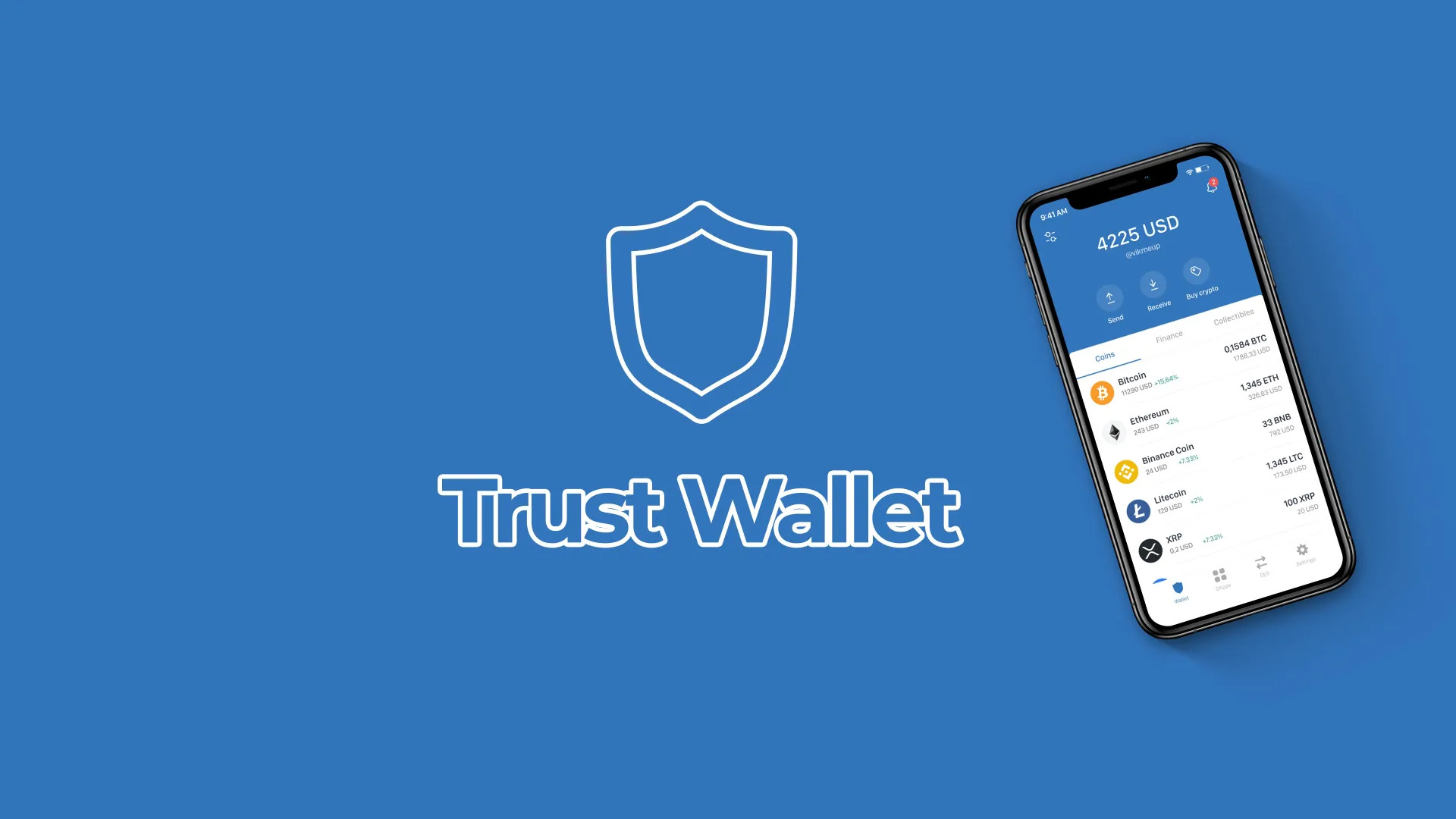
Okay, so check this out—there’s a wallet I stumbled on recently that really tries to address those concerns while keeping things user-friendly. It’s not perfect, but it’s a step in the right direction. You can find it here. What caught my eye was how it manages private keys locally on the device, without sending them to a server, which is huge for security. And it supports cross-chain swaps that feel surprisingly smooth, not like wrestling with some clunky desktop app.
But wait—let’s not get ahead of ourselves. Cross-chain transactions inherently involve bridges, and bridges are notoriously risky. On one hand, you want the convenience of moving assets across networks quickly; on the other, you’re exposing yourself to complex attack vectors, especially on mobile devices that might not have the same hardened security as desktops. So, yeah, there’s a lot to unpack here…
When I first tried to send tokens from Ethereum to Polygon using this wallet, I was nervous. Something felt off about the approval prompts at first glance. I almost canceled the transaction—my gut was screaming “phish alert!” But after a closer look, it turned out the wallet was just being extra cautious, making sure I knew exactly what I was signing. That kind of transparency is rare and very very important, especially for newcomers who might just blindly tap “approve.”
And speaking of private keys, here’s a little nugget that most guides skip over: your private key isn’t just a password—it’s the master key to everything. Lose it or expose it, and you’re done. No bank to call, no reset button. So wallets that keep these keys encrypted and never expose them to the internet at large are a big deal. But then again, if the encryption happens only on your device, what if your phone gets lost or damaged? That’s the tradeoff. Some wallets offer cloud backups encrypted with a passphrase, but that adds another layer of complexity and potential vulnerability.
Personally, I lean towards wallets that let me keep full control of my keys locally, even if that means I’m responsible for my own backups. Yeah, it’s a bit old-school and maybe a pain, but it feels safer. (Oh, and by the way, this is where many users get tripped up—backing up seed phrases incorrectly or ignoring them altogether.)
Now, about cross-chain transactions—there’s this whole ecosystem of bridges and protocols that try to make asset transfers seamless. But here’s the kicker: many still rely on centralized or semi-centralized validators, which can be a single point of failure. I was blown away when I learned how some bridges have been hacked for millions. And mobile wallets, while convenient, sometimes don’t explain these risks clearly.
Initially, I thought that using a wallet supporting multi-chain swaps automatically meant safer transactions. But then I realized that the underlying bridge or swap mechanism matters just as much as the wallet interface. On one hand, the wallet can provide a slick UI and local key management, though actually, the transaction still goes through external protocols. So you’re trusting those too, even if indirectly.
Here’s what bugs me about most mobile wallets: they often oversimplify the experience, which is great for adoption but bad for security awareness. Users get lulled into a false sense of security—“Oh, the app handles everything.” Nope. You still need to understand the risks behind your cross-chain moves and private key custody.
Why Mobile Wallets Matter for Web3 Users
For anyone deep into Web3, a mobile wallet isn’t just a convenience—it’s your gateway. The ability to manage multiple chains, swap tokens, and interact with decentralized apps all from your pocket is game-changing. But something about that power makes me uneasy. The mobile environment is inherently less secure than a cold wallet or hardware device. Apps can be compromised, phones lost or stolen, and while biometrics help, they’re not bulletproof.
That’s why I’m cautious but optimistic about wallets that emphasize private key security without sacrificing the user experience. You can see some innovative approaches here, where they try to handle keys in a way that balances convenience with control. I’m not saying it’s perfect—no system is—but at least it’s moving in the right direction.
Also, cross-chain support is essential now more than ever. Users shouldn’t have to juggle five different wallets just to manage assets spread across Ethereum, Solana, Avalanche, and more. The problem is that each chain has its own quirks, and the wallet’s job is to abstract as much complexity as possible without hiding critical security details. That’s a high bar.
One last thing I want to mention, because it’s easy to forget—the human factor. Even the best wallet can’t protect you if you fall for phishing scams or share your seed phrase. Education and awareness go hand-in-hand with technology. I keep telling friends, “If you treat your seed phrase like your social security number, you’ll be way better off.”
Common Questions About Mobile Crypto Wallets
How secure are private keys stored on mobile wallets?
It depends on the wallet’s architecture. The best ones store keys locally, encrypted on your device, and never upload them to servers. However, if your phone is compromised, keys can be at risk. Always use strong device security and backups.
Can I trust cross-chain bridges used by mobile wallets?
Bridges are a known weak spot in crypto security. Even if your wallet is solid, the bridge protocol might be vulnerable to hacks. Always research the bridge’s security track record and avoid transferring large amounts blindly.
Is it better to use multiple wallets or one multi-chain wallet?
Using one multi-chain wallet is convenient but concentrates risk. Multiple wallets can compartmentalize assets, but managing many keys is cumbersome. Find a balance that suits your security comfort and usability needs.