
Net working capital is the difference between current assets and current liabilities and gross working capital is just the current assets in the balance sheet. Examples of such current assets in India are cash and cash equivalents, accounts receivables, inventory, marketable securities, prepaid expenses, and any Balancing off Accounts other assets that will qualify. Besides this, you should also understand how these current assets can be financed.
Our financial partners
Knowing what the components of current assets and current liabilities are should give a deeper understanding of what is working capital. Similarly, current liabilities are those debt obligations that need to be paid off within a year. Read on to find out more on what are the components that fall under the calculation of current assets and current liabilities.
Loan Repayment
It may suggest inefficient management of your accounts receivable, meaning that your business isn’t collecting payments from clients as regularly or consistently as it should be. It could also point to mismanagement of your inventory or accounts payable, as both of these can greatly affect your day-to-day working capital. It’s usually cause for concern when a business has negative working capital (meaning current liabilities are greater than current assets). Businesses should aim to have positive working capital, with at least 50% more in assets than liabilities, otherwise represented as a working capital ratio of 1.5 or higher.

Bajaj Pay FASTAg

These projections are integrated into the financial model to estimate future cash flows, which are critical for assessing a company’s value. This organised approach helps analysts provide insights into a company’s financial status and its ability to manage short-term assets and liabilities efficiently. Current liabilities are a company’s debts or obligations that are due within one year or within a normal operating cycle. Some examples of current liabilities; money owed to suppliers in the form of accounts payable, short-term loans, lines of credit, accrued liabilities, and other debts such as credit cards, trade debts, and vendor notes. NWC focuses on current assets and current liabilities – items nwc meaning you expect to use or pay within one year.
- Companies with a negative change in working capital will need to find ways to increase it, either by seeking additional funding or reducing their short-term financial obligations.
- If either sales or COGS is unavailable, the “days” metrics cannot be calculated.
- Onе crucial mеtric that providеs insights into a company’s short-tеrm liquidity and opеrational еfficiеncy is Nеt Working Capital (NWC).
- Working capital helps figure out if a company can pay off all its bills with short-term assets it already has.
- However, the first formula is the one that’s most generally used when calculating NWC.
- Accordingly, you need to increase your sales team and market your products using various channels.
- For example, if Company ABC has current assets of £120,000 and current liabilities of £90,000, then the net working capital would be £30,000.
Calculate the Current Liabilities for the Current and Previous Year
Every business enterprise extensively uses this metric to understand the economic or financial condition of the enterprise. Measuring net working capital (NWC) means gauging the difference between a company’s current assets and liabilities. An organization’s net working capital paints a picture of its overall financial health and, if sufficient, ensures it has enough funds to maintain operations without concern. Beyond that, calculating NWC requires looking at current or liquid assets, but not all current assets are equally liquid. For example, inventory is a liquid and current asset, but it can take a long time to sell inventory — it isn’t a reliable source of cash to pay off short-term debts.
- Consumer advisory –The information provided on this website is for general informational purposes only.
- However, a good ratio depends on the industry the business is in and the prevailing conditions at the time.
- You also acknowledge and agree that, unless specifically provided otherwise, these Terms of Use only apply to this Website and facilities provided on this Website.
- A high ratio indicates that resources are used productively, but a low ratio could mean you have too many unsold goods or overdue accounts receivable.
- Depending on the situation, they may report net working capital as frequently as every day.
This means you https://M00641-191296.linp033.arubabusiness.it/wp/how-to-start-a-freelance-accounting-business/ have a great amount of flexibility in managing the current assets of your business. Managing current assets is similar to managing the fixed assets of your business. This is because you analyse the impact of current assets and fixed assets on the risk and return of your business. There are three important ways in which your current asset management differs from fixed assets management.
Accounts Payablе:
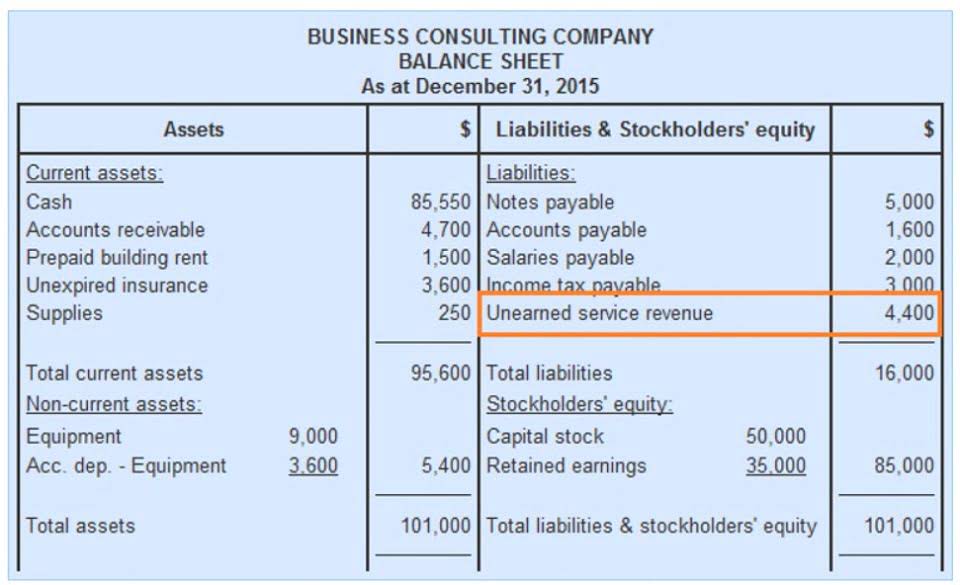
For instance, you need cash to purchase raw materials, pay wages, rent, and incur other expenses. In other words, your business needs working capital in the form of cash, debtors, raw materials inventory, bills receivable, etc. Long-term receivables or a near-exhausted credit line do not count towards your current assets. Neither does an intangible asset, such as office property, or the valuation of factories or warehouse materials. Assets are pure sources of cash flow that can be liquidated within a twelve-month period. A negative NWC is when the company has greater liabilities than what its assets are worth.